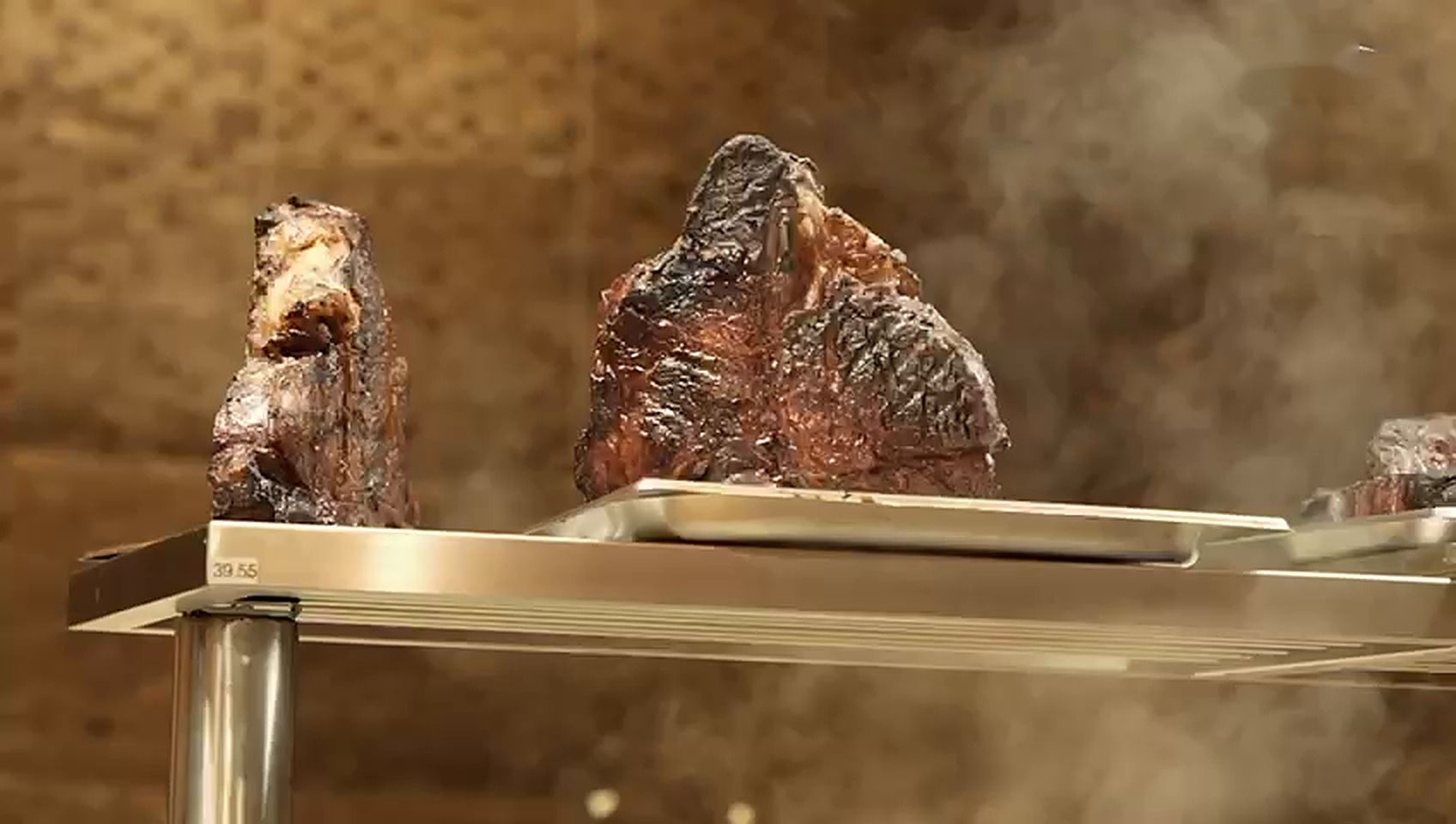
Wagyu beef is one of the most talked about products on UAE menus, and one of the easiest to buy badly. This guide explains how wagyu compares with Angus and kobe, how grading works, which cuts earn their place on a menu and how to store and order it.
What is wagyu?
Wagyu means "Japanese cow" and refers to four Japanese cattle breeds, led by Japanese Black. The beef is prized for fine, dense intramuscular fat, called marbling, which melts at a low temperature and gives a rich, tender, buttery eating experience. Wagyu is now raised in Japan, Australia and other countries.
If you run a kitchen, the questions that matter are practical. Which grade fits your menu price? Which cut suits your cooking method? And can your supplier deliver the same quality every week? The sections below answer each one from the buyer's side of the pass.
Wagyu vs Angus vs kobe
These three names are often used as if they mean the same thing. They do not. Angus is a breed, wagyu is a family of breeds, and kobe is a protected name for one specific type of wagyu from one region of Japan.
Angus comes from Scotland and is raised across the world. It carries moderate marbling, a firm bite and the classic beefy flavour that guests expect from a steakhouse. Wagyu carries far more intramuscular fat, spread in fine flecks through the muscle, which makes the meat softer and sweeter. Kobe sits at the top of the pyramid: it must come from Tajima cattle born, raised and processed in Hyogo Prefecture, and it must pass strict quality checks.
| Wagyu | Angus | Kobe | |
|---|---|---|---|
| Origin | Four Japanese breeds, raised in Japan, Australia and elsewhere | Scottish breed, raised worldwide | Tajima cattle from Hyogo Prefecture, Japan |
| Fat profile | Fine, dense marbling | Moderate marbling | Among the most heavily marbled beef |
| Flavour | Rich, sweet, buttery | Classic, beef forward | Rich and delicate |
| Texture | Very tender, melts in the mouth | Firm bite with some chew | Extremely tender |
| Typical portion | Smaller, especially at high marbling | Standard steak portion | Small, tasting portions |
| Best for | Signature steaks, tasting menus, carpaccio | Grills, steakhouse mains, burgers | Occasion and prestige menus |
| Supply | Wide range of grades and brands | Wide and consistent | Very limited and certified |
For most restaurants the choice is not wagyu or Angus. It is where each one sits on the menu. Angus carries the everyday grill. Wagyu earns its place as the premium line, and the trend in the UAE is clear: guests are searching for wagyu fat, tajima wagyu and wagyu carpaccio, and they are comparing wagyu directly with Angus before they order.
Grading explained
Grades are how you compare wagyu without guessing. Two cuts with the same name can have very different marbling, so always ask for the grade on the product specification, not only the brand.
Japanese grading: A5 and BMS
Japanese beef receives two marks. The letter, A, B or C, shows meat yield, where A is the highest. The number, 1 to 5, shows quality, based on marbling, meat colour, firmness and fat quality. A5 therefore means the highest yield and the highest quality. Marbling is also scored on the Beef Marbling Standard, or BMS, from 1 to 12.
| Quality grade | BMS marbling range | What it means for your menu |
|---|---|---|
| 5 | 8 to 12 | The richest marbling. Serve in small portions as a signature item |
| 4 | 5 to 7 | Excellent marbling with a little more room for larger portions |
| 3 | 3 to 4 | Good marbling and a stronger beef flavour |
| 2 | 2 | Light marbling, closer to premium beef |
| 1 | 1 | Minimal marbling |
Australian marbling scores
A large share of the wagyu in the UAE is Australian. It is usually sold by marbling score, a scale from 0 to 9 under the AUS-MEAT system, where a higher score means more marbling. Australian wagyu gives chefs a wider range of price points than Japanese A5 and a more consistent supply, which matters when a dish has to be on the menu every night.
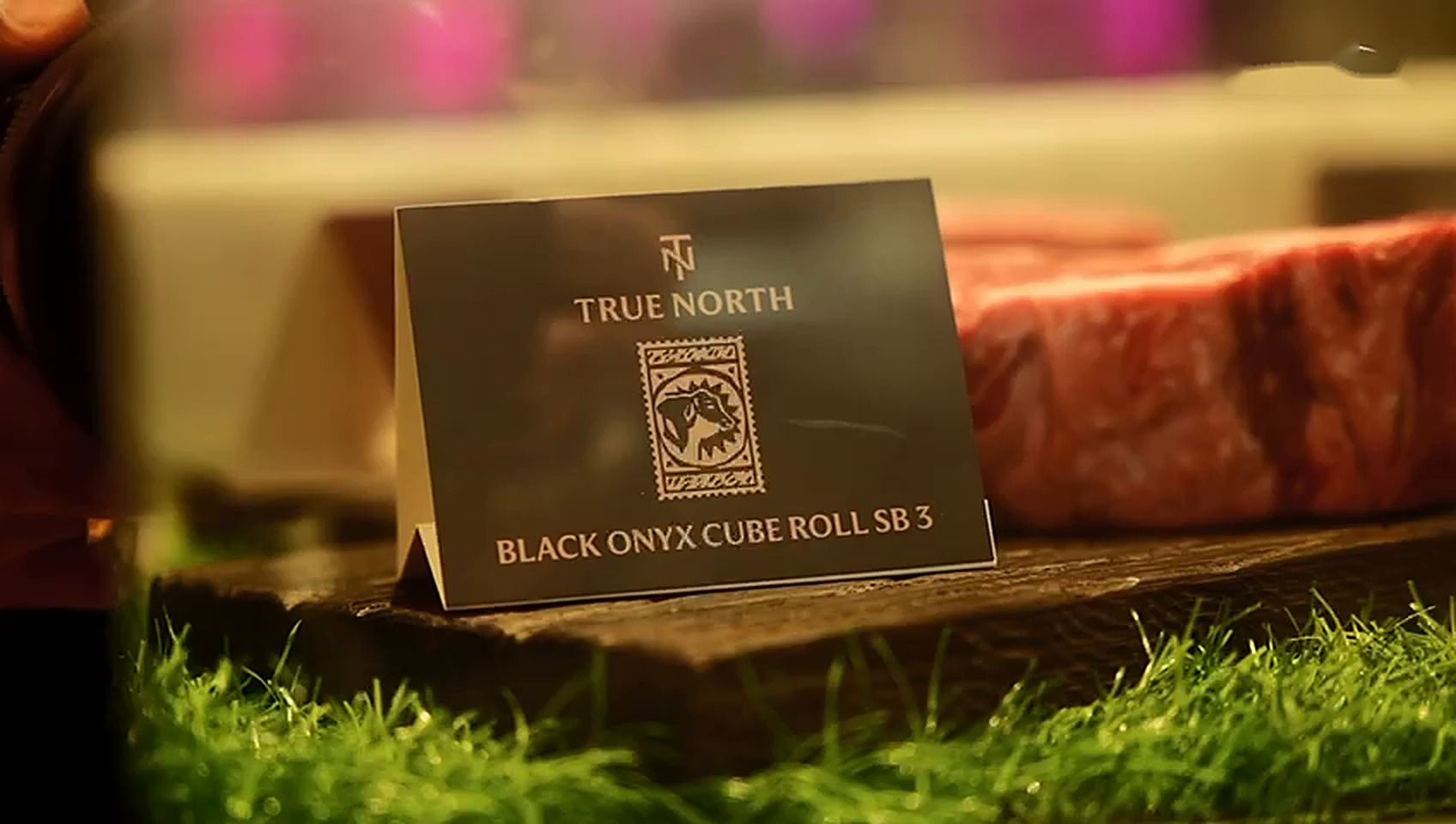
Brands matter too. Ranges such as True North Beef by Stanbroke, which includes Black Onyx, Wagyu, Pure Wagyu and Pure Angus, show how a single supplier can cover both ends of the wagyu and Angus question on one order.
Best cuts for menus
The right cut depends on your cooking method and your menu price. Wagyu steak cuts are naturally rich, so even leaner cuts eat well. Here is how the four most requested cuts behave in a professional kitchen.
| Cut | Character | Best use |
|---|---|---|
| Striploin | Even grain, a clean fat cap and a balanced beef flavour | Pan seared or grilled steak mains, sliced for tataki and carpaccio |
| Sirloin | Leaner and firmer, tender once rested | Value wagyu steak for lunch menus, skewers and grills |
| Ribeye | The richest cut, with fat running through the centre | Signature steaks, cooked medium rare and rested well |
| Brisket | Collagen rich, needs low and slow cooking | Smoked and BBQ plates, burgers, pastrami and braises |
Striploin
Striploin is the safest first wagyu cut for a new menu. It portions cleanly, cooks evenly and shows its marbling when sliced. It also works well raw or lightly seared, which suits the growing interest in wagyu beef carpaccio.
Sirloin
Sirloin gives you wagyu eating quality at a more approachable price. It is a strong choice for business lunch menus and for operators who want to introduce wagyu without a premium steak price.
Ribeye
Ribeye is where marbling shows most. Because the fat is so generous, cook it hot and fast, then rest it. Many kitchens serve it as the hero cut of the menu.
Brisket
Wagyu brisket is a different story. Its fat and collagen reward slow cooking, so it suits smokehouses, burger concepts and casual dining. Searches for wagyu brisket are small but growing, and few suppliers explain how to use it.
Storage and handling
Wagyu is an investment, so protect it. Most supply arrives frozen or chilled in vacuum packs, and the pack is part of your quality control.
- Keep frozen product at minus 18 degrees Celsius or below, and chilled product at 0 to 4 degrees Celsius.
- Thaw slowly in the chiller, in the sealed pack, and allow a full day or more for large cuts. Do not use warm water or the counter.
- Never refreeze thawed product, and follow the shelf life printed on the label.
- Bring steaks toward room temperature briefly before cooking, and rest them after cooking so the fat settles.
Wagyu fat melts at a low temperature, so it cooks faster than most guests expect and flares easily on a hot grill. Cook it with care, season simply and avoid overcooking. On ageing, speak to your supplier first. Many chefs prefer to serve wagyu fresh and well rested rather than ageing it for long.
How to order from Bidfood
Bidfood UAE supplies chefs, restaurants, hotels and caterers directly, with premium beef ranges alongside the rest of your kitchen order. You can browse the full beef range in our product catalogue and compare grades, cuts and pack sizes before you order.
Existing and new customers can place orders any time through myBidfood, so wagyu and Angus can be added to your regular delivery.
To check delivery coverage for your venue, see our Bidfood UAE page.
Not sure which grade or cut fits your menu? Tell us your concept, price point and volumes and speak to our team about the right wagyu and Angus mix for your kitchen.
Wagyu and Angus FAQs
What is the difference between wagyu and Angus?
Wagyu is a group of Japanese cattle breeds known for dense, fine intramuscular marbling that gives a rich, soft, buttery bite. Angus is a Scottish breed with moderate marbling and a firmer, classic beef flavour. Wagyu suits small premium portions and signature dishes, while Angus suits everyday steakhouse mains, grills and burgers at a lower cost per portion.
Is A5 wagyu worth the cost for a restaurant menu?
It can be, when it is used as a deliberate premium item. A5 is very rich, so guests are served small portions, which keeps the plate cost manageable. It works best as a tasting course, a signature steak or a special. For everyday mains, a lower marbling wagyu or Angus usually gives a better margin.
What is the difference between kobe and wagyu?
Wagyu is the broad term for Japanese beef cattle. Kobe beef is a specific type of wagyu from Tajima cattle born, raised and processed in Hyogo Prefecture, Japan, and it must meet strict quality standards. All Kobe beef is wagyu, but only a small share of wagyu qualifies as Kobe, which is why supply is limited and certified.
How should wagyu be stored and thawed?
Keep frozen product at minus 18 degrees Celsius or below. Thaw it slowly in the chiller at 0 to 4 degrees Celsius, still in its sealed pack, and allow a full day or more for larger cuts. Do not refreeze after thawing. Always follow the storage and shelf life instructions on the supplier label.
Where can UAE restaurants buy wagyu wholesale?
UAE restaurants can order wagyu from a foodservice distributor that supplies chefs and venues directly. Bidfood UAE supplies the hospitality trade, and customers can browse the beef range and place orders on myBidfood or speak to the team through the contact page to discuss grades, cuts and pack sizes for their menu.


